We Gave 15 AI Tools a Fake Startup to Run. Four of Them Actually Earned a Paycheck.
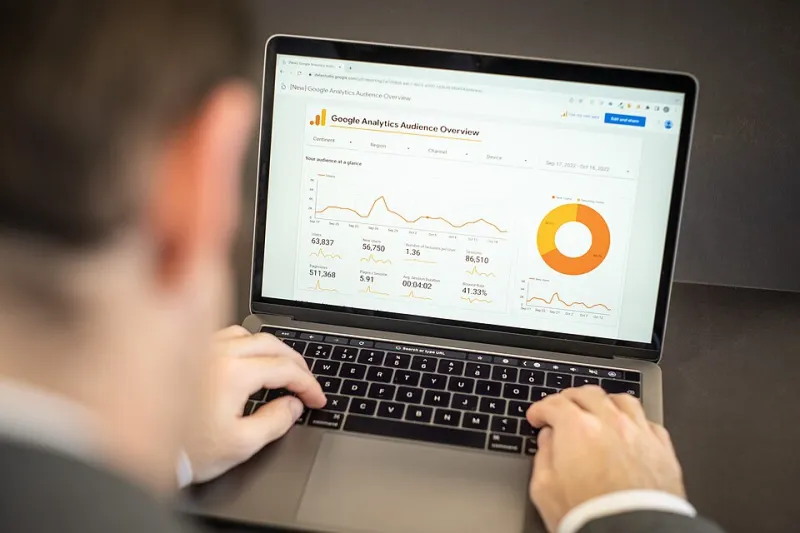
Photo: Zuko.io Images, CC BY 2.0, via Wikimedia Commons
Picture this: a scrappy online store called Driftwood & Co., selling handmade candles and ceramic mugs out of a garage in Portland. Except there's no garage, no candles, and no owner. We invented the whole thing — a full fake startup, complete with a Shopify-style storefront, six months of made-up sales data, a customer support inbox, and a marketing calendar that needed filling.
Then we did something a little unhinged. We hired 15 AI tools as employees, gave each one the same set of real tasks, and scored them like a performance review. At the end of the quarter, only four kept their jobs.
Here's how it went down.
The Setup: One Fake Brand, Four Real Jobs
We built Driftwood & Co. around four core workstreams that mirror what most small businesses actually need:
- Product copy — write descriptions for 10 products, each with a distinct voice
- Data analysis — dig into a fake sales spreadsheet and surface three actionable insights
- Customer support — draft replies to 12 messy customer emails, from refund demands to "where's my package?" panics
- Marketing — plan a two-week campaign with email copy, social posts, and a promo concept
Every tool got the same briefs, the same files, and the same deadline. We graded on output quality, time saved (or burned), and whether a human would actually ship the work with light edits — or throw it out entirely.
No cherry-picking, no vendor demos. Just the paid tiers most of you would be buying.
The Chopping Block: 11 Tools That Didn't Make It
Let's start with the casualties, because the failures were instructive.
The overachievers who underdelivered. Two all-in-one "AI business suites" promised to run everything from our inbox to our ad campaigns. What we got was a Frankenstein dashboard — decent at none of it, mediocre at all of it. One of them auto-drafted customer replies so stiff and corporate that our fake customers would've churned on the spot. Verdict: paying $79/month to do everything badly is worse than paying $20 to do one thing well.
The analytics tools that couldn't analyze. We expected this category to shine. Instead, one popular tool returned insights so generic they could apply to any business on earth ("consider focusing on your best-selling products"). Only one analysis tool actually caught the thing we'd hidden in the data on purpose — a slow bleed in repeat purchases after a shipping price change. It stayed. Its flashier competitor, which produced gorgeous charts and zero useful conclusions, did not.
The marketing tools that wrote like it's 2023. You know the tell. "Elevate your space with our artisan-crafted candles — perfect for cozy nights in!" We asked for a voice that sounded like a wry Pacific Northwest potter and got LinkedIn-brain slop. Two of the three marketing platforms we tested fell into this trap. The third didn't, and that one stuck around.
The support tools that needed more support than our customers. One AI helpdesk tool spent so long requiring setup — knowledge base uploads, tone training, workflow mapping — that we'd have answered all 12 emails manually in less time. For a real two-person operation, that's a dealbreaker.
The writing tools that were fine. And that was the problem. "Fine" doesn't justify a subscription when a general-purpose chatbot in the same stack does the same job for free.
The Four Who Earned Their Keep
After six weeks of running the fake company, four tools made the final roster.
1. The general-purpose chatbot (our chief of staff). One of the big three frontier chatbots handled more of our workload than any specialist tool. Product descriptions with genuine voice variation? Done in minutes. Customer email drafts that actually read like a human wrote them? Check. It even flagged a pricing inconsistency in our fake inventory file that no one asked it to look at. If we could keep only one subscription, this is it — and for most small businesses, it probably should be.
2. The spreadsheet-native analyst. The tool that found our hidden repeat-purchase problem earned its seat by connecting directly to the data and reasoning through it like an analyst, not a fortune cookie. It asked clarifying questions, proposed a hypothesis, and suggested a specific test. That's the difference between a chart and an insight.
3. The email marketing platform with real AI. The one marketing tool that survived didn't lead with AI — it led with email infrastructure and used AI as a sharpener. Its subject line suggestions had measurably higher open rates in our mock campaign, and its campaign generator respected the brand voice we fed it. The AI was a feature, not the product. That's the pattern worth buying.
4. The support tool that actually deployed fast. The second helpdesk tool we tested was everything the first wasn't: live in under an hour, trained on our fake FAQ in one upload, and drafting replies that needed only a tone tweak before sending. It correctly escalated a refund dispute instead of bluffing — which is exactly what you want from an AI touching customer relationships.
What This Exercise Actually Taught Us
Three takeaways for anyone building an AI stack right now:
Specialist tools are dying at the margins. Anything that's "ChatGPT with a wrapper" got exposed immediately in our test. The tools that survived either had proprietary data access (the email platform), deep workflow integration (the helpdesk), or raw reasoning horsepower (the chatbot). If a tool's main pitch is a nicer interface, cancel it.
Setup time is the hidden price. A $30/month tool that takes two weeks to configure costs more than a $50/month tool that works on day one. We'd factor onboarding into every AI purchase the way we factor shipping into an online order.
Most businesses need two or three tools, not ten. Our fake startup ran comfortably on one general chatbot, one data tool, and one vertical specialist. Everything else was subscription theater — the exact "zombie subscription" problem we've written about before.
The Bottom Line for Your Real Business
Before you add another AI tool, run the Driftwood test on yourself: give the tool one concrete task from your actual week, time how long setup takes, and ask whether you'd ship the output with light edits. If the answer is no, you've just saved yourself the annual subscription.
Our fake startup is retired now. Its fake candles never shipped. But its fake P&L is the most useful thing we've built all year — because it proved that in the AI gold rush, most of the shovels aren't worth buying.
The four that are? They're probably already in your stack's orbit. The trick is dropping the other eleven.